
Urban Gardening: How to Grow Food in Small Spaces
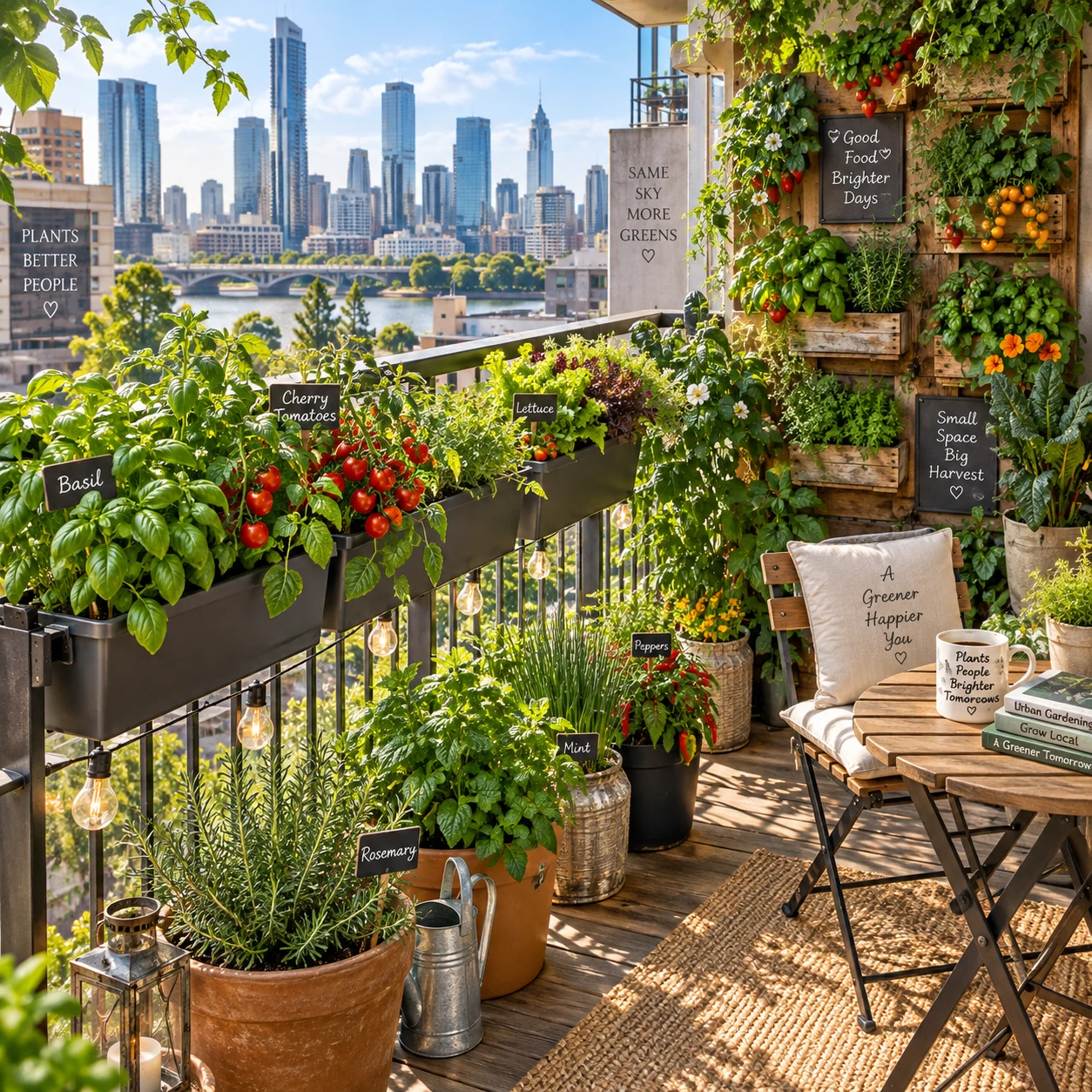
Growing food in a city does not require a backyard. With a few well-chosen containers, suitable light, and a manageable watering routine, a balcony, patio, windowsill, or shared plot can produce fresh herbs and vegetables. The key is to match plants and containers to the conditions you actually have, rather than trying to squeeze a full-size garden into a small area.
Assess your space before planting
Before planting an urban garden, check how much sunlight your space receives, where you can get water, and how much room you can safely use. These three details help you choose crops and containers that can thrive in your specific home.
Track direct sunlight on a clear day, checking the space at different times from morning to late afternoon. Many fruiting vegetables, including tomatoes and peppers, do best with roughly six or more hours of direct sun; leafy greens and some herbs can manage with less. Buildings, trees, balconies above, and seasonal changes can all affect exposure, so observe the space rather than relying on a compass direction alone.
Next, consider practical limits. Is there a nearby tap, or will you carry water from indoors? Can you reach every planter to water and harvest it? On a balcony, check building rules and ask the property manager about weight limits before adding large pots or raised beds. Wet soil is heavy, and railing planters must be fastened securely. Leave room to open doors and keep paths clear.
- Sunny spot: Consider compact tomatoes, peppers, and basil.
- Part-shade spot: Try lettuce, spinach, parsley, or mint.
- Little or no direct sun: Focus on shade-tolerant greens, and expect slower growth; many food crops still need some natural light.
For a local reality check, look up your region’s frost dates and growing-season guidance through a nearby university extension or municipal gardening service. Advice for one climate may not fit another.
Choose containers and make the most of vertical space
Container gardening works in small urban spaces when each pot has enough room for its crop and a clear way for excess water to drain. Use balconies, patios, windowsills, and walls for growing area, while keeping access and safety in mind.
Choose containers based on the plant’s mature size, not just the seedling’s. A small pot dries out quickly and can restrict roots; a larger container holds more moisture but takes up more floor space and may be heavier when filled. Food-safe plastic, glazed ceramic, and untreated wood can all work if the container has drainage holes. Avoid using a vessel that traps standing water.
Vertical gardening makes use of walls, railings, and sturdy shelves. Try railing planters for herbs, a tiered stand for small pots, or a trellis for climbing beans and cucumbers. Secure structures against wind and check that water will not drip onto neighbors or damage the building. A vertical setup saves floor area, but it can dry quickly and may cast shade on plants below.
Windowsills suit small pots of herbs or cut-and-come-again greens, provided the window gets enough light and the sill can support the containers. If natural light is limited, a suitable grow light may help, though it adds equipment and electricity costs.
Raised beds can work on ground-level patios or shared outdoor areas, but they are often impractical for balconies because of weight and space. Start with a few containers before investing in a large structure. That makes it easier to learn how much you can comfortably maintain.
Pick crops suited to compact urban gardens
Herbs and compact vegetables are strong choices for urban gardens because they fit containers and can be harvested in small amounts. Select varieties for your available sunlight, local climate, and the size of your pots.
For a first planting, choose crops with different uses and care needs. Basil, chives, parsley, and thyme are useful in cooking; mint grows vigorously, so give it its own pot. Lettuce, arugula, radishes, and spinach can suit shallow containers, although heat may make some leafy greens bolt. Compact or dwarf tomato varieties can produce in a roomy pot with steady sun and support. Peppers also suit containers, while bush beans offer a vertical option if you provide a trellis.
Read seed packets and plant labels for spacing, mature height, and light requirements. A variety described as compact still needs adequate root space. In cooler climates, warm-season crops may need to wait until frost risk has passed; in hot regions, leafy greens may do better in cooler seasons or with afternoon shade. Local nursery staff can help match varieties to your city’s growing calendar.
- For a sunny balcony: Try basil, dwarf tomatoes, or peppers in appropriately sized pots.
- For partial shade: Try parsley, chives, lettuce, or spinach, while checking seasonal heat tolerance.
- For a small windowsill: Grow compact herbs or microgreens in shallow trays if the light is sufficient.
It is tempting to plant every available inch, but crowding reduces airflow and makes watering and harvesting harder. Begin with a few plants you already like to eat. You can add more after you learn how quickly the containers dry and how much care your routine allows.
Set up soil, drainage, and watering
Healthy container plants need a suitable potting mix, working drainage holes, and regular watering that responds to weather and plant needs. Garden soil alone is usually too dense for pots and may drain poorly.
Use a quality potting mix labeled for containers or edible plants. Potting mix is designed to provide structure and hold moisture while allowing air and water to move around roots. Fill containers without packing the mix down tightly, and leave a little space at the top to make watering easier. If you reuse a container, wash it first and replace tired or compacted mix as needed.
Check that each pot has unobstructed drainage holes. Set containers on saucers where needed to protect surfaces, but empty standing water so roots are not left soaking. Do not add a layer of gravel as a substitute for drainage; it does not fix a blocked hole or poorly draining mix.
Water when the surface begins to dry, then water slowly until some excess runs from the bottom. The right frequency depends on pot size, wind, temperature, plant growth, and material. A quick finger check in the top inch or two of mix is more useful than following a rigid daily schedule. Small pots and exposed balconies often dry faster, especially in warm or windy weather.
Feed plants according to the potting mix and fertilizer label. Containers lose nutrients as they are watered, but extra fertilizer can harm roots or encourage leafy growth at the expense of flowers and fruit. Keep a simple note of watering and feeding for the first few weeks; patterns become easier to spot.
Find local gardening support and supplies
Local nurseries, garden centers, community gardens, and city services can help you find supplies and advice suited to your area. Their guidance is especially useful for choosing varieties, understanding local planting dates, and finding growing space beyond your home.
Visit a neighborhood nursery or garden center with a photo of your space and notes on sunlight. Ask which compact varieties perform well locally, what container size they need, and whether they stock potting mix for edible plants. Buying nearby can also make it easier to ask follow-up questions, though prices and selection vary. Compare labels and avoid purchasing more soil or equipment than your first planting requires.
If you lack a balcony or adequate sun, search your city’s parks department, municipal website, or community organizations for community gardens. A shared plot may offer more sunlight and space, but it can involve a waiting list, membership fee, scheduled workdays, or rules about crops and tools. Confirm those details before joining.
Some cities provide composting programs, seed libraries, gardening workshops, or grants for neighborhood growing projects. Availability changes by location, so check official city pages and local nonprofit listings. University extension services are another useful source for region-specific pest, soil, and planting advice. For example, the USDA Plant Hardiness Zone Map can help U.S. gardeners compare winter-temperature zones, but it does not replace local guidance on frost dates or summer heat.
Keep the garden productive through the season
A small urban garden stays productive when you harvest often, check plants regularly, and replant containers as conditions change. A brief weekly review can catch dry pots, pests, and fading crops before they become bigger problems.
Harvest herbs by snipping a little at a time, and pick leafy greens from the outer leaves when the plant allows it. Remove ripe vegetables promptly. Regular harvesting can encourage continued production in some crops, but each plant has its own growth habit, so follow variety-specific guidance. Use clean scissors and avoid taking so much foliage that a plant cannot recover.
After a crop finishes, clear out old roots and leaves, check the potting mix, and decide whether to replant or rest the container. Quick-growing greens may fit between longer-lived herbs or fruiting plants, but do not overcrowd established roots. As seasons shift, move heat-sensitive plants out of harsh afternoon sun or bring vulnerable containers indoors when cold weather threatens, if suitable light is available.
Watch for yellowing leaves, pests, and wilting, but diagnose before treating. Wilting can mean dry soil, waterlogged roots, or heat stress. Check the mix and drainage first. If you use pest controls, choose products labeled for edible crops and follow directions carefully. Keeping a short garden log of planting dates, sunlight, and watering can help you make better choices next season.
Frequently asked questions
What vegetables grow well in containers? Lettuce, radishes, spinach, peppers, bush beans, and compact tomato varieties can grow in containers when the pot size, sunlight, and local conditions suit them. Check labels for mature plant size and spacing.
How much sunlight does a small-space garden need? Fruiting crops such as tomatoes generally need around six or more hours of direct sun. Leafy greens and some herbs may tolerate partial shade, but growth can be slower and the best choice depends on climate and season.
Can I grow food on a shaded balcony? Yes, if it receives some natural light. Try leafy greens and shade-tolerant herbs, then observe how plants respond. A balcony with very little direct or indirect light may be better suited to a grow light or a community garden plot.
Where can I find a community garden or local gardening supplies? Check your city’s parks or community development pages, local nonprofit directories, neighborhood groups, and nearby nurseries or garden centers. Ask about fees, waitlists, opening hours, and local growing advice before committing.