The Best Neighborhoods for Food Lovers: Where to Eat, Explore, and Enjoy the City

The best neighborhoods for food lovers offer more than a list of restaurants. They create a complete culinary experience: a morning bakery stop, a market lunch, an afternoon coffee, and a memorable dinner within a walkable area filled with local character. Whether you prefer inexpensive street food, international cuisine, chef-led tasting menus, or relaxed brunches, the right food district can shape your entire city visit.
How to Choose the Right Food-Loving Neighborhood
The right food-loving neighborhood matches your preferred cuisine, budget, atmosphere, walking distance, and dining schedule. Compare those five factors before choosing an area, because a famous district may be exciting yet inconvenient for your group or timetable.
Start with cuisine variety. Some districts specialize in one culinary tradition, while others combine local restaurants, international cuisine, bakeries, specialty shops, and modern food halls. A focused area can offer deeper cultural character; a mixed district gives everyone more choice.
Budget matters just as much. Street food markets and casual cafés often make it possible to eat well for less, while fine-dining neighborhoods may require advance reservations and a larger dining budget. Check menus before arriving, especially if your group includes children or travelers with dietary restrictions.
- Atmosphere: Decide whether you want a lively market, a quiet café-lined street, a historic quarter, or a polished restaurant area.
- Walkability: Look for several food stops within a comfortable 10- to 20-minute walking radius.
- Dining hours: Markets may close in the afternoon, bakeries often start early, and popular restaurants may fill quickly at dinner.
- Accessibility: Consider step-free entrances, accessible restrooms, seating availability, public transport, and street conditions.
- Local services: Nearby grocery shops, pharmacies, public toilets, transport links, and cashless payment options can make a food-focused day easier.
A useful filter is the three-stop test: choose a neighborhood where you can identify one savory meal, one sweet or coffee stop, and one flexible backup option. That simple plan protects you from long queues, closed businesses, or a menu that does not suit everyone.
Best Neighborhoods for Street Food and Casual Bites
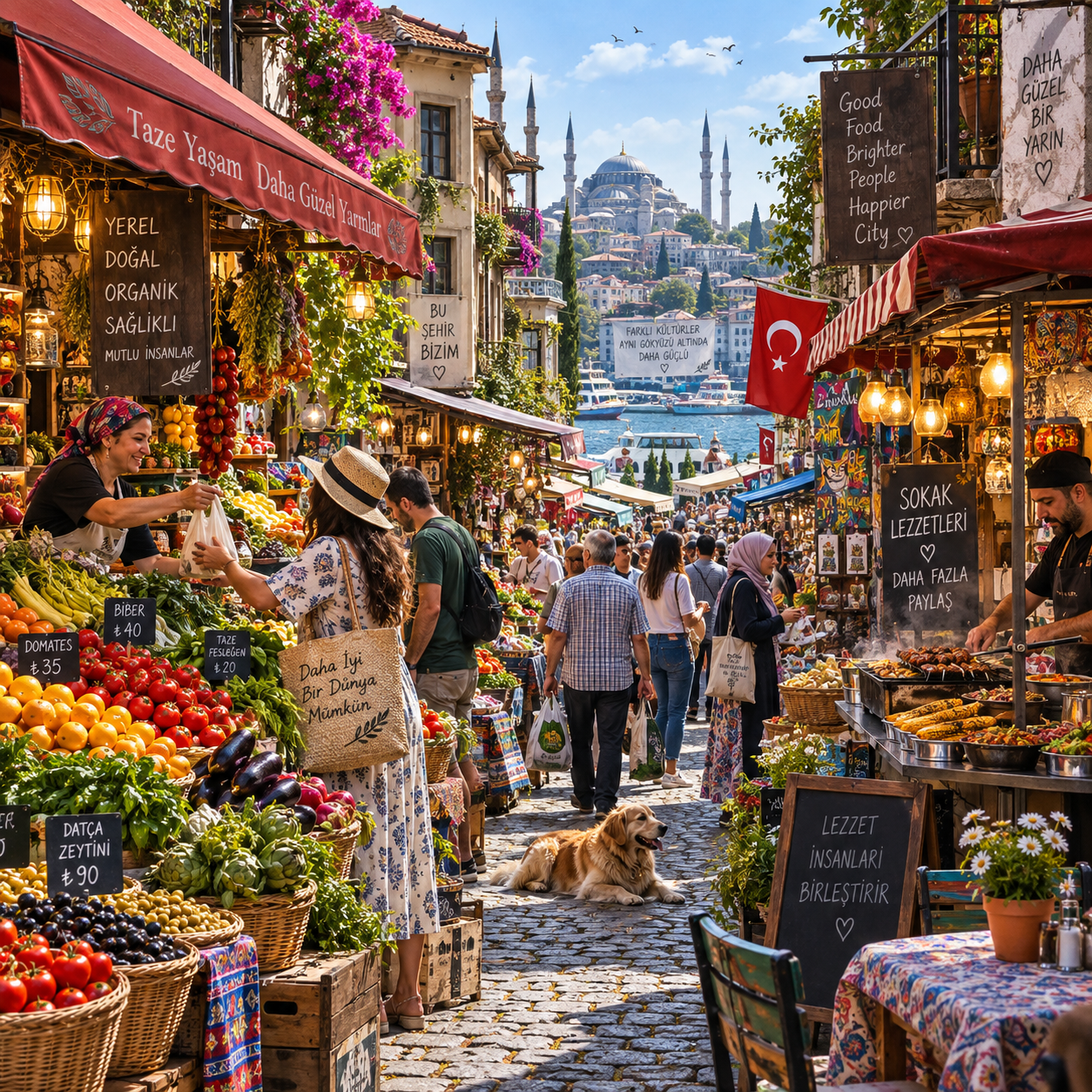
The best street-food neighborhoods concentrate food stalls, informal local dining, markets, and quick meals along busy, walkable routes. They suit budget travelers, adventurous eaters, and anyone who prefers sampling several small dishes instead of committing to one long meal.
Look for districts with a regular street food market, covered market, night market, or cluster of family-run vendors. These areas often reveal how residents actually eat: grilled specialties, filled breads, noodles, dumplings, fried snacks, fresh juices, and regional desserts may all appear within a few blocks.
Food halls offer a more structured version of the same experience. They usually provide shared seating, multiple vendors, clearer menus, and better weather protection. The compromise is that a food hall can feel more curated and commercial than an outdoor market, where the neighborhood atmosphere may be stronger.
How to eat well at a market
- Walk through the entire market before buying so you can compare queues, prices, and portion sizes.
- Choose busy stalls with visible food turnover, clean preparation areas, and clear allergen information.
- Carry small portions of cash where vendors do not accept cards, but avoid carrying more than you need.
- Share dishes with your group to try more specialties without overspending.
- Check whether the market operates daily, seasonally, or only during evening hours.
Arrive early for a calmer visit and better access to seating. Visit later for a livelier atmosphere, but expect queues and limited tables. A short culinary walking tour that connects two markets, a specialty shop, and an independent café often provides more variety than a single large meal.
Best Neighborhoods for International Cuisine
The best neighborhoods for international cuisine bring several global culinary traditions together through restaurants, food shops, markets, and community businesses. They are ideal for groups with different tastes or visitors who want to explore multiple food cultures in one afternoon.
Strong international food districts usually have more depth than a random collection of themed restaurants. You may find specialist grocers, regional bakeries, cultural associations, import shops, family-owned restaurants, and places that serve dishes from different parts of the same country. That ecosystem adds context to the meal.
Choose a concentrated district if you want to compare neighboring restaurants. Choose a larger multicultural area if you prefer variety across several streets and dining styles. In both cases, research the difference between a restaurant’s advertised cuisine and its actual regional focus. A venue serving food from one particular province or island may offer a more distinctive experience than a broad international menu.
Dietary needs require extra planning. Vegetarian, vegan, halal, kosher, gluten-free, and allergy-aware options vary widely, even within the same cuisine. Learn the key ingredient terms, ask about shared cooking surfaces, and confirm whether staff can explain dishes clearly before ordering.

Best Neighborhoods for Fine Dining and Special Occasions
The best fine-dining neighborhoods combine chef-led restaurants, tasting menus, polished service, carefully designed interiors, and reliable access to transport. They suit anniversaries, business dinners, milestone celebrations, and travelers planning one significant culinary experience.
Look beyond the restaurant itself. A strong special-occasion district lets you begin with an aperitif, enjoy dinner, and finish with dessert or a quiet drink without crossing the entire city. Nearby hotels, taxi ranks, parking, and late-night transport can be just as useful as the menu.
Reserve early when a restaurant offers a limited number of tasting-menu seats. Confirm the seating time, cancellation policy, dress expectations, menu length, supplement costs, and accommodation for allergies. A tasting menu may last three hours or more, so it may not suit young children, rushed schedules, or diners who prefer choosing each dish.
Fine dining also carries a higher opportunity cost. Choosing an expensive tasting menu means accepting less variety across the rest of the day. If you want to explore local restaurants as well, consider a lighter lunch and reserve your main budget for dinner.
The most memorable upscale neighborhoods often include independent wine shops, specialty cheese counters, artisanal chocolatiers, and small cafés. Those businesses make the area rewarding even for people who do not book the most expensive table.
Best Neighborhoods for Cafés, Bakeries, and Brunch
The best café and bakery neighborhoods are easy to explore in the morning, with independent cafés, fresh pastries, specialty coffee, relaxed brunch rooms, and shops that stay active through the afternoon. They are particularly useful for families, remote workers, early risers, and travelers who prefer flexible dining.
Look for areas where several venues offer different formats: a bakery for a quick pastry, a café with outdoor seating, a brunch restaurant for a longer meal, and a specialty shop for regional products. This mix lets your group split up without losing the neighborhood experience.
Opening hours are crucial. Bakeries may sell out of popular items before midday, while brunch restaurants may serve only during a narrow window and stop taking walk-ins at peak times. Coffee shops can be busy with laptop users, so check whether they welcome longer stays or require table turnover.
- Start with a bakery shortly after opening for the freshest selection.
- Use a café as a planned rest stop rather than treating coffee as an afterthought.
- Book brunch when the neighborhood is known for weekend queues.
- Visit specialty shops between meals and choose portable items for later.
- Check seating, stroller access, high chairs, and restroom availability for family visits.
These districts tend to be calmer during weekdays and busiest late on weekend mornings. If atmosphere matters more than a particular dish, a weekday visit can provide better service and a more relaxed look at neighborhood life.
How to Plan a Food-Focused Neighborhood Visit
To plan a food-focused neighborhood visit, build a route around one anchor meal, two flexible stops, and enough time for queues and wandering. This creates structure without turning the day into a rigid checklist.
- Choose an anchor: Select a market lunch, booked dinner, bakery breakfast, or chef-led meal that defines the visit.
- Map a compact route: Keep most stops within 15 minutes of one another and confirm transport for the start and end.
- Check timing: Verify opening hours, market days, reservation windows, last orders, and holiday closures.
- Plan dietary and access needs: Contact venues in advance and identify a backup restaurant with suitable dishes.
- Leave room for discovery: Explore independent cafés, local restaurants, farmers’ markets, and specialty shops rather than filling every minute.
A practical itinerary might begin with coffee and a bakery, continue through a farmers’ market, pause at a food hall for shared lunch, and finish with a reserved dinner. Carry water, wear comfortable shoes, and keep a small gap between meals. Food-focused travel works better when you can respond to what you smell, see, and find along the way.
Use official local government or market websites to confirm public opening information, transport changes, accessibility details, and temporary closures. Online maps help with distance, but they do not always show whether a small vendor has changed hours.
Choosing the Best Neighborhood for Your Food Style
The best neighborhood depends on your food style, budget, schedule, and group rather than on a universal ranking. Match the experience you want with the area’s strongest features before making a reservation or crossing the city.
| Food preference | Best neighborhood type | What to prioritize |
|---|---|---|
| Budget dining | Street-food district or market quarter | Small portions, local vendors, shared seating, and public transport |
| International cuisine | Multicultural food district | Regional variety, specialty grocers, and dietary flexibility |
| Fine dining | Upscale restaurant quarter | Reservations, tasting-menu details, transport, and nearby services |
| Brunch and coffee | Café and bakery neighborhood | Opening hours, seating, independent businesses, and walkability |
| Family dining | Mixed-use market area | Early service, varied menus, restrooms, and low-stress access |
When uncertain, choose the neighborhood with the best combination of variety and convenience. A district with fewer famous venues but excellent walkability, flexible hours, and several backup options often produces a better day than a celebrated area with long queues and limited transport.
Frequently Asked Questions About Food Neighborhoods
What makes a neighborhood good for food lovers?
A good food neighborhood combines quality local restaurants with variety, walkability, independent cafés, markets, specialty shops, and a clear sense of place. Practical features such as opening hours, seating, public transport, and dietary options also matter.
Which food neighborhoods are best for budget dining?
Street-food districts, market quarters, and food halls are usually the most flexible for budget dining because they offer small portions, quick meals, and several price points. Compare menus and portion sizes before ordering, and consider sharing dishes.
How can visitors plan a food tour without reservations?
Visit markets and bakeries early, choose casual restaurants with counter service, and keep two backup options nearby. Avoid planning every meal at peak times, and check same-day waitlists or online booking systems where available.
What should families consider when choosing a dining neighborhood?
Families should check early opening hours, high chairs, child-friendly menus, restroom access, step-free routes, seating space, and short walking distances. A food hall or mixed market area can work well because each person can choose a different meal.
Are food markets or food halls better for trying multiple cuisines?
Food markets usually provide stronger local atmosphere and informal specialty vendors, while food halls offer more predictable seating, menus, payment systems, and weather protection. Choose a market for character and a food hall for convenience.