
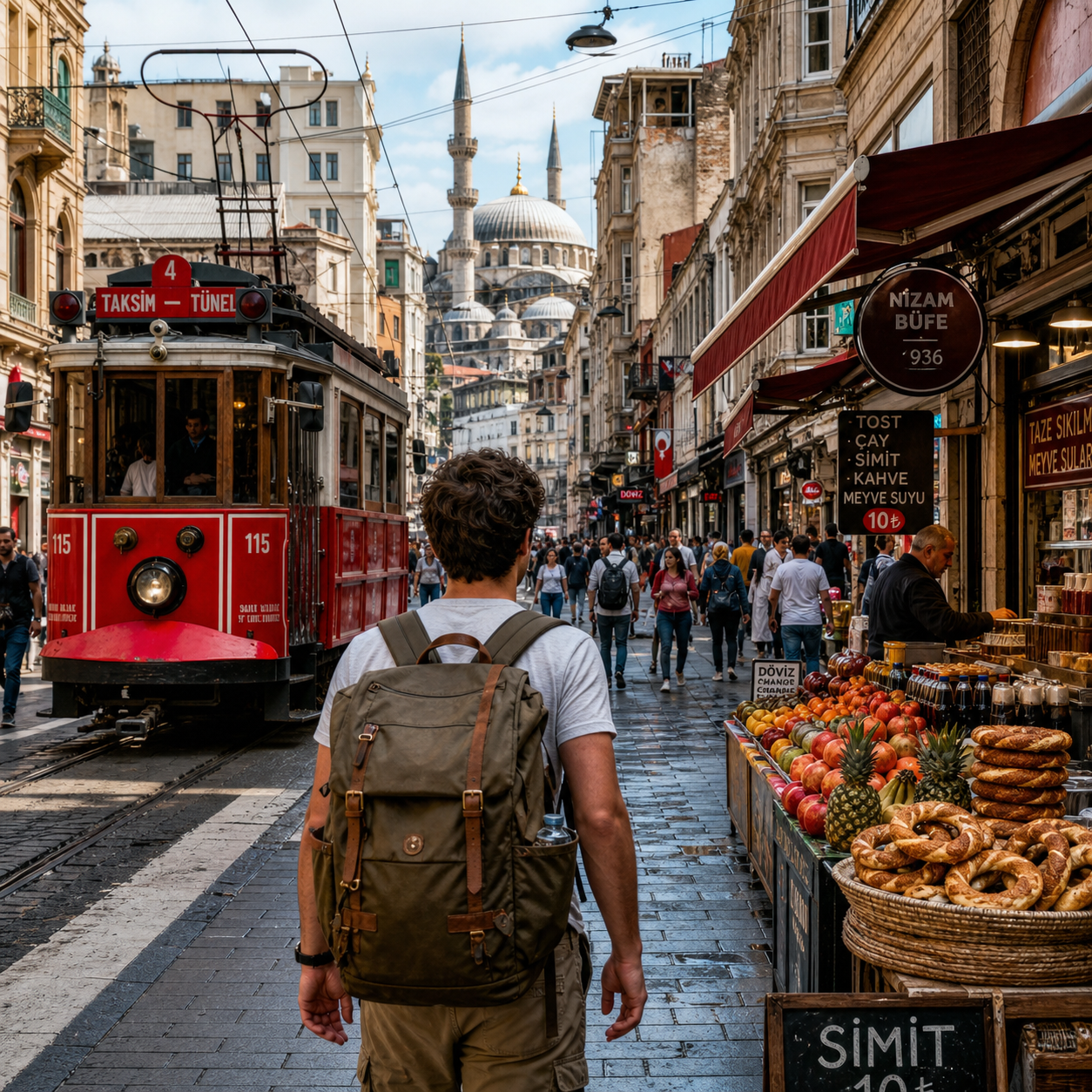
How to Navigate City Markets Like a Local
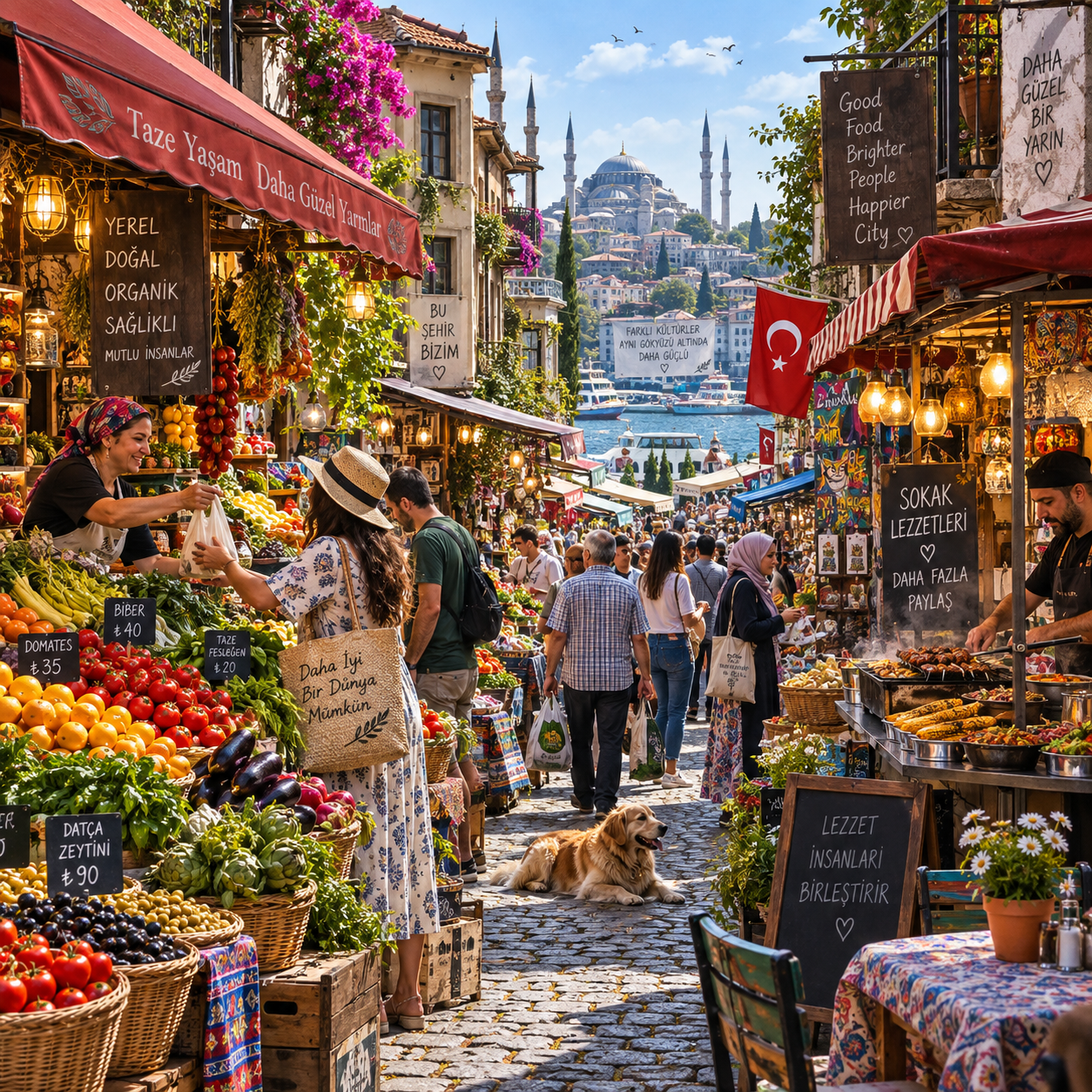
City markets offer a quick way to get a feel for a place: what people cook, what they make, and where neighbors gather. To explore one comfortably, choose a market that fits your interests, check its schedule, and take time to look around before buying. Farmers’ markets, street markets, and food halls can have very different rhythms, so a little planning helps you spend less time guessing and more time enjoying the visit.
Choose the Right Market for Your Visit
Choose a city market based on what you want to experience, how much time you have, and which neighborhoods you plan to visit. Farmers’ markets focus on seasonal local produce, while street markets may mix food stalls, household goods, clothing, and artisan goods.
Start with the market’s character rather than its reputation. A produce market is a good fit if you want to see what grows nearby or pick up something to snack on. A craft-focused market suits visitors interested in handmade items, though prices and product selection can vary. Some markets are primarily places to eat, with prepared food and seating; others work best as a short stop between neighborhood walks.
Check current visitor information before setting out. Market days, opening hours, and seasonal schedules differ by city and sometimes by stall. If you have a specific interest, look for recent details from the market organizer or local government rather than relying on an old listing.
- For food: Look for a market with prepared dishes as well as fresh ingredients.
- For shopping: Check whether vendors sell local crafts, vintage goods, or everyday items.
- For a short visit: Choose a market near your accommodation or another planned stop.
A famous market can be lively and convenient, but a smaller neighborhood market may offer a calmer look at daily routines. Neither is automatically more authentic; each serves a different purpose.
Plan Your Route and Timing
Plan your route around verified opening hours, public transport, and the type of visit you want. Arriving early can make browsing easier, while a later visit may suit a meal or a livelier atmosphere.
Markets may operate only on certain days, and individual vendors can keep different hours from the market itself. Confirm the schedule close to your visit, especially for outdoor markets or seasonal events. Then check public transport options, nearby stops, and the walk from the station. If you are carrying purchases, consider how you will get back without juggling bags through a crowded train or bus.
Crowds tend to build around popular food stalls and central aisles, but the quietest time is not always the best for every purpose. Early shoppers may get more choice of produce; arriving near closing can mean fewer options, even if the paths are less busy. Allow at least an hour for an unfamiliar market, with extra time if you plan to eat or explore the surrounding neighborhood.
Make a flexible plan: choose one or two stalls or foods you are keen to find, then leave room to wander. A rigid checklist can turn a market visit into a race, while no plan at all may leave you searching for basics such as restrooms or an exit when you need them.
Get Your Bearings Before You Browse
Take a first walk through the market before you buy anything. This quick survey helps you locate food, local produce, crafts, facilities, and exits, and gives you a better basis for comparing stalls.
Notice how the market is arranged. Fresh produce may be grouped together, while prepared food sits near seating or a central aisle. Artisan goods might be gathered in a covered section or spread among general vendors. Look for signs marking entrances, public restrooms, information points, and waste or recycling stations.
As you walk, note which stalls have a steady line and which have the items you came to see. A queue can signal a popular dish, but it is not a guarantee that it will suit your taste or dietary needs. Scan menus and ingredient information first, especially if you have an allergy or need a meat-free option.
Keep track of a clear meeting point or exit if you are visiting with others. In a large or crowded market, it is easy to get separated while stopping to browse. A short orientation lap takes only a few minutes and often makes the rest of the visit feel calmer.
Shop and Eat with Confidence
Compare a few stalls, ask vendors clear questions, and buy what looks fresh or is prepared in front of you. For food, check the menu and ingredients; for goods, ask about materials, origin, and care before deciding.
At produce stalls, look at the selection and ask what is in season or how an unfamiliar item is usually prepared. Vendors know their stock and can often suggest a variety suited to eating now or taking home. Do not handle delicate produce unless the stall’s setup invites it; if you are unsure, ask first.
For artisan goods, useful questions include whether an item is handmade locally, what materials it uses, and how to care for it. Markets can include a mix of local makers and resellers, so a polite question is more informative than assuming every object was made on-site. Compare quality and price across a few stalls without treating the lowest price as the only measure.
When choosing food stalls, look for a menu you understand, food handled with care, and a steady flow of customers. Ask about ingredients or portion size before ordering. Sample only when a vendor offers a taste, and follow any instructions about where to queue, order, and collect food. If a stall is busy, have your order ready and step aside after paying so the next customer can approach.
Follow Local Customs and Payment Norms
Follow the market’s local customs by greeting vendors politely, respecting queues, and asking before touching goods or taking close-up photos. Bring a payment backup because vendors may accept cash, cards, contactless payments, or a mix.
Payment norms vary by market and stall. Check for signs before ordering, and carry a modest amount of local cash in case a vendor cannot process a card or contactless payment. At the same time, do not assume that cash is required; many vendors use card readers or mobile payment systems. If a transaction fails, ask calmly whether another method is available.
Bargaining is not a universal market custom. At a fixed-price food stall or farmers’ market, negotiating over a small purchase may be unwelcome. In some settings, such as certain flea markets, a courteous offer may be normal. Watch how local customers interact and ask whether a price is firm before making an offer. A respectful no is part of the exchange.
Keep walkways clear, avoid blocking a stall while deciding, and ask permission before photographing people or their products up close. These small courtesies make conversations easier and help markets remain welcoming to residents as well as visitors.
Make the Visit Feel Local
Make a market visit feel local by speaking with vendors, trying something unfamiliar, and exploring nearby streets after you browse. The market is one part of a neighborhood, and its everyday connections often continue beyond the stalls.
Ask a vendor what they recommend today or where an ingredient comes from. A specific, low-pressure question tends to lead to a more useful conversation than asking someone to explain an entire city’s food culture while a queue forms. You might learn how locals serve a seasonal vegetable or which pastry is best eaten warm.
Look beyond the most photographed stalls. A smaller vendor may sell a specialty you have not seen elsewhere, and quieter aisles can reveal household goods and local produce that reflect daily needs. Keep expectations realistic: a market is a working place, and vendors may be busy or prefer to focus on sales rather than conversation.
Afterward, walk through the surrounding neighborhoods if time allows. Nearby bakeries, parks, small grocers, and cafés can show how the market fits into daily life. Take only the photos and purchases you can manage comfortably, and leave space for an unplanned stop.
Frequently Asked Questions
These quick answers cover common questions about timing, payment, bargaining, and finding local food at city markets.
When is the best time to visit a city market?
The best time depends on your goal. Arrive early for a broader selection and easier browsing, or go later if you prefer a busier atmosphere. Check the market’s current schedule and remember that late visits may mean some popular items have sold out.
Should I bring cash to a market?
Yes, carrying a small amount of local cash is a useful backup, but check for signs and ask before ordering. Some vendors accept only cash, while others take cards or contactless payments.
Is bargaining expected at city markets?
Not everywhere. Bargaining may be accepted at some flea or secondhand markets, but it is often inappropriate at food stalls and fixed-price markets. Observe local practice and ask politely whether a price is firm.
How can I find authentic local food at a market?
Look for dishes made with seasonal local produce, menus that name their ingredients, and vendors who can explain how a food is prepared. Ask what is popular with regular customers, while keeping in mind that one market cannot represent an entire city’s cuisine.