

How to Choose the Right Fitness Studio in Your City
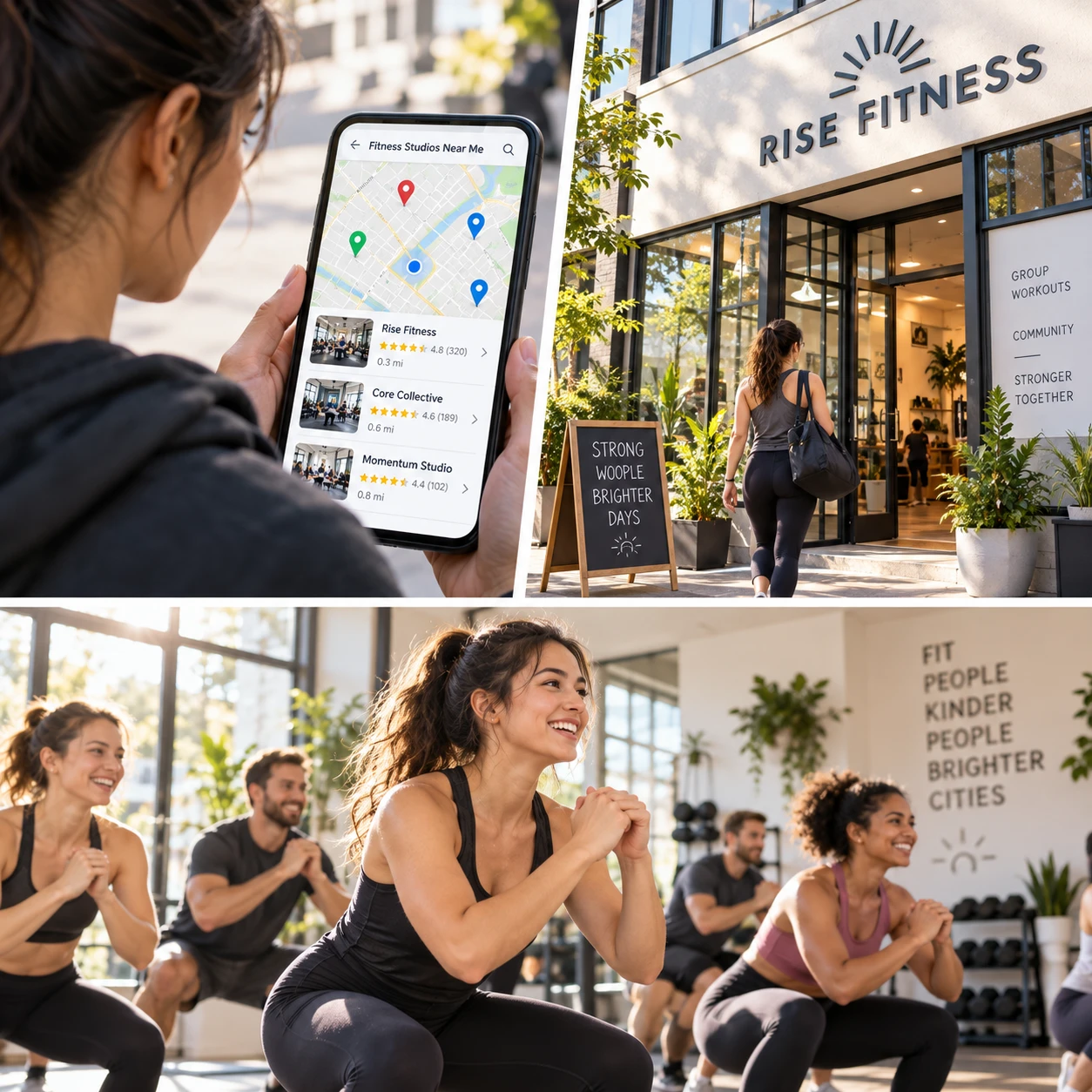
The right fitness studio is one you can attend consistently, afford comfortably, and enjoy enough to keep returning to. Before joining, compare local options by workout style, location, class schedule, instructor qualifications, facilities, membership fees, and cancellation policy.
A polished website or a long class list can look impressive, but neither tells you whether the studio fits your day-to-day life. Use the steps below to narrow your choices, then try a class before signing a contract.
Start with your fitness goals and preferred workout style
Choose a fitness studio that offers the type of training you want and a level of coaching that suits your experience. Your goals and preferences will help you decide whether group fitness classes, personal training, or a mix of both makes sense.
Start by writing down one or two practical goals. You might want a regular strength session, more movement during the week, a social class, or coaching that helps you learn new exercises. Then look for studios whose core offering matches those aims. A strength-focused space may provide weights and coached lifting classes, while a dance or cycling studio is built around instructor-led group sessions.
Consider how you like to exercise, too. Some people feel energized by a busy class; others prefer individual instruction or a quieter environment. If you are new to training, check whether classes offer beginner options, modifications, and clear guidance on equipment. A studio that welcomes mixed experience levels can be easier to start with than one where every session assumes prior knowledge.
- Group fitness classes can provide structure and shared energy, but you may get less individual attention.
- Personal training offers focused coaching and a plan tailored to you, often at a higher cost.
- A combination can work well if you want regular classes plus occasional one-to-one help with technique.
Do not choose a studio simply because it offers the most formats. A manageable selection of classes you genuinely want to attend is more useful than a packed timetable you rarely use.
Compare location, opening hours, and class schedules
The best location and class schedule are the ones that fit your real routine, including travel time and the hours you can reliably attend. Convenience matters because a studio that is difficult to reach can quickly become an unused membership.
Check the journey from home, work, or another regular stop, and consider how you will travel at the times you plan to exercise. A short walk may be simpler than a longer drive that depends on traffic or parking. If you use public transit, check the route and service hours for early morning or evening classes.
Next, compare the class schedule with your calendar. Look beyond the total number of sessions and see whether your preferred class type runs at times you can make. Check how far in advance you must book, whether classes often fill, and what happens if you arrive late or need to cancel a booking. For a studio with open gym hours, confirm when equipment is available and whether those hours suit you.
Try a simple test: identify two or three class slots you could attend in an ordinary week, not just during a particularly free one. If the timetable offers only one realistic option, your routine may be fragile when work or family plans change. A slightly smaller studio with reliable classes at convenient times may serve you better than a larger facility across town.
Check the instructors, facilities, and studio atmosphere
Before joining, look for qualified instructors, well-maintained facilities, and an atmosphere where you feel comfortable asking questions. These details affect the quality of coaching and whether you will want to return.
Ask about instructor qualifications and relevant experience for the activity you plan to do. For example, a coach leading strength sessions should be able to explain safe exercise technique and adapt movements to different abilities. Credentials do not guarantee a good fit, so also notice how instructors communicate: Do they demonstrate movements clearly, give useful corrections, and offer options without embarrassing participants?
Inspect the studio facilities during a visit. Check whether equipment appears clean and in good condition, whether there is enough space to move safely, and whether changing rooms or storage meet your needs. If the studio provides showers, ask whether they are included in the membership or require an extra fee. A compact studio can still be a strong choice if it is organized, clean, and equipped for its classes.
Atmosphere is personal, so observe the class rather than relying on promotional photos. Is the music level comfortable? Do members and staff treat newcomers respectfully? Does the class pace leave room to understand instructions? A lively environment suits some people, while others prefer calmer coaching. Neither is better for everyone.
For general guidance on assessing exercise professionals, the American College of Sports Medicine recommends checking an exercise professional’s education and credentials. Use that as one part of your assessment, alongside the studio’s own information and your experience with the instructor.
Understand the full cost before joining
Compare the full cost of a fitness studio membership, including setup charges, class limits, add-ons, and cancellation terms. The advertised monthly price may not show what you will actually pay or how easy it is to leave.
Ask for the current terms in writing. Membership options may include a monthly plan, a fixed-term contract, a class pack, or pay-as-you-go sessions. Check whether the price covers all group fitness classes or only selected sessions, and whether personal training, towel service, locker use, or facility access costs extra.
Look carefully at the cancellation policy. Find out how much notice you must give, how to submit a cancellation, whether fees apply, and what happens if you move or cannot attend for a period. Also ask about missed-class charges and the rules for freezing a membership. A low monthly fee can be poor value if the contract is inflexible or the classes you want are excluded.
Trial offers are useful, but read their conditions. A free or discounted trial class may require advance booking, apply only to new customers, or lead into a recurring membership if you do not cancel by a stated date. Set a reminder for any trial deadline and keep a copy of the terms.
- What is the total charge today, including any enrollment fee?
- Which classes and facilities are included?
- Can I pause, transfer, or cancel the membership, and how?
- Are there extra charges for late cancellations or missed sessions?
Visit or try a class before committing
Take a tour or trial class before you commit, and evaluate the studio as if you were already a regular member. A short visit can reveal practical issues that a website cannot show.
Arrive early enough to ask questions and see how check-in works. During the class, pay attention to the instructor’s explanations, the group size, equipment availability, and whether the session matches the description. Notice how the instructor handles different experience levels and whether you can ask for help without feeling rushed.
Afterward, consider the whole experience, not just whether the workout felt challenging. Were booking instructions clear? Did the class start on time? Was the space clean and comfortable? Could you picture making the trip on a typical weekday? One energetic class can be enjoyable, but it does not answer every question about schedule, price, or membership terms.

Use this quick checklist after your visit:
- Did I feel welcomed and receive clear instructions?
- Could the instructor offer suitable options for my experience level?
- Were the equipment and facilities clean, accessible, and in good condition?
- Can I attend this class regularly at this time and location?
- Do I understand the price, booking rules, and cancellation policy?
If anything remains unclear, ask before paying. A professional studio should be able to explain its class formats, fees, and policies without pressuring you to decide on the spot.
Use a local shortlist to make your decision
Compare a short list of nearby studios against your priorities, then choose the one that performs well on your most important needs. A simple side-by-side comparison helps prevent a flashy offer or a single great class from outweighing everyday practicality.
Start with three or four options you can realistically reach. For each fitness studio, record the travel time, suitable class times, preferred workout formats, instructor impression, facilities, total cost, and cancellation terms. Mark your top priorities before comparing; otherwise, it is easy to give too much weight to whichever feature is easiest to notice.
You can score each studio from one to five on the factors that matter to you. Give convenience and schedule more weight if consistency is your main challenge. Give coaching and beginner support more weight if you are learning a new activity. Treat cost as the full monthly or per-class amount you expect to pay, not just the introductory offer.
There is no universal rule that the closest studio is best, or that the one with the most class options is worth extra travel. Choose the nearby option if it makes regular attendance realistic. Choose a farther studio if its specific classes, coaching, or atmosphere justify the commute and you can still attend consistently.
Before you sign up, confirm the terms in writing and start with the shortest commitment that meets your needs, if available. Reassess after several weeks: Are you attending, enjoying the classes, and getting the support you expected? That real-world check is a better guide than choosing based on promises alone.
Frequently asked questions
What should I look for during a trial class? Notice how clearly the instructor teaches, whether the class suits your level, and how the studio handles booking, equipment, and first-time visitors. Also consider whether the location and class time work for your normal routine.
How much should I spend on a fitness studio membership? Set a budget based on what you can pay regularly, then compare the total cost per month or class you expect to attend. Include enrollment fees, excluded classes, and cancellation charges rather than judging by the advertised rate alone.
Is a nearby studio better than one with more class options? It depends on what you will use. A nearby studio with a suitable schedule may make regular attendance easier, while a farther studio can be worthwhile if its classes match your goals and the commute is practical.
What should beginners ask before joining? Ask which classes are suitable for beginners, what to bring, whether instructors offer modifications, and how to get help during class. Confirm the trial terms, membership fees, booking rules, and cancellation policy before signing up.