
Hidden Gems: Off-the-Beaten-Path Attractions Worth Discovering in Your City
Every city has two versions of itself. There's the version printed on postcards — the famous landmarks, the crowded plazas, the restaurants with hour-long waits. And then there's the other version, the one locals navigate daily without a second thought. That second version is almost always more interesting.
Why Hidden Gems Matter More Than Tourist Traps
Off-the-beaten-path attractions offer something overcrowded tourist hotspots simply can't: the feeling that you've actually arrived somewhere real. When a place hasn't been polished for mass consumption, it still has texture — the kind that tells you something true about how people actually live in that city.
There's also a practical argument. Popular attractions tend to be expensive, rushed, and frankly exhausting. Standing in a queue for 90 minutes to see a landmark you've already seen in a thousand photographs is a particular kind of disappointment. Meanwhile, a neighborhood market two bus stops away might be completely free, genuinely local, and far more memorable.
The shift toward authentic experiences isn't just a travel trend — it reflects something deeper about what people want from city exploration. Whether you're a visitor spending three days or a resident who's lived there for years, discovering underrated attractions changes your relationship with a place. You stop being a spectator and start feeling like you belong.
How to Think Like a Local When Exploring a City
The local mindset starts with one simple reframe: stop asking "what should I see?" and start asking "where do people actually go?" Those are very different questions with very different answers.
Locals don't experience their city through a highlights reel. They move through it on errands, on the way to work, in search of a decent coffee or a quiet bench. That everyday movement is exactly where hidden gems live — not in dedicated tourist zones, but embedded in the ordinary fabric of daily life.
A few shifts in approach make a real difference:
- Walk instead of taking direct transport whenever possible. Routes reveal things routes skip.
- Pay attention to where locals eat lunch on a Tuesday, not where they take visiting relatives on a Saturday.
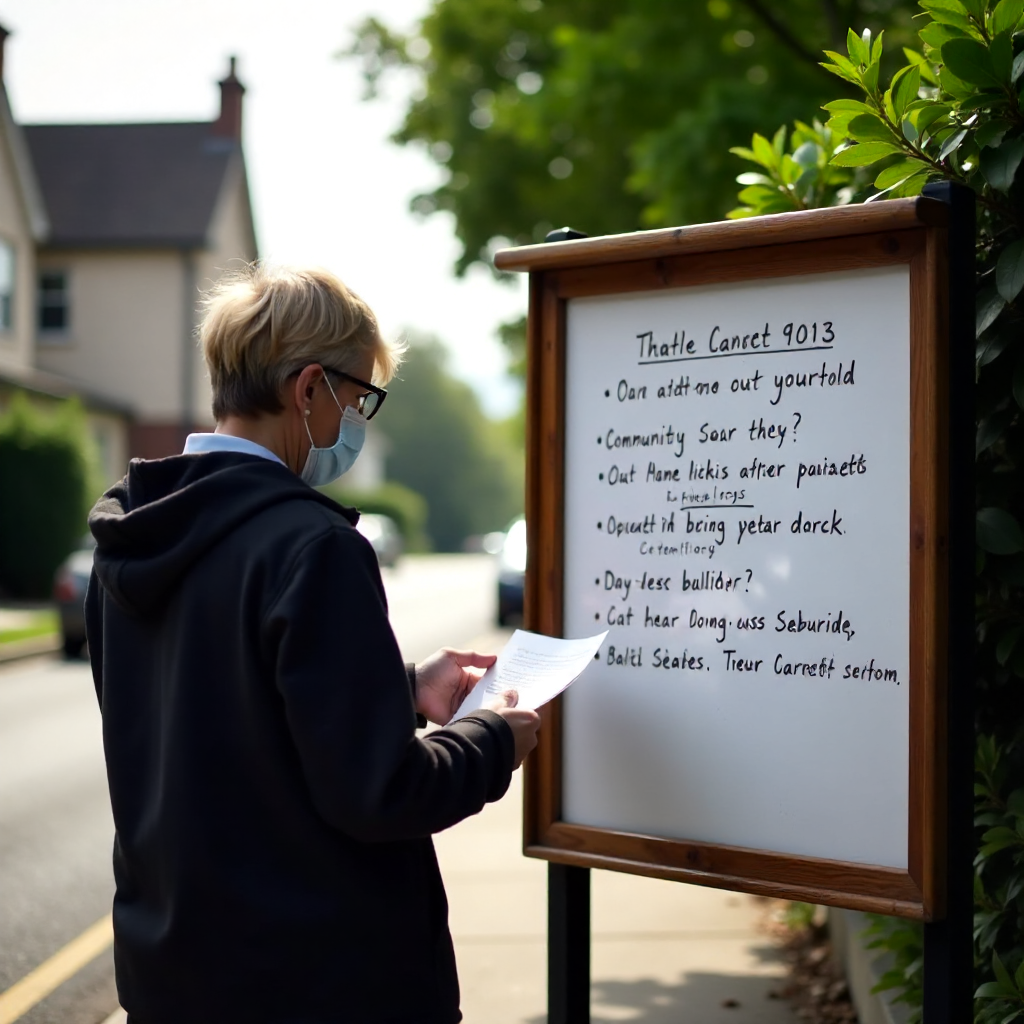
- Notice what's on the walls, in the windows, posted on lampposts. Community notice boards are an underrated intelligence source.
- Follow the sound of something interesting rather than the map pin.
This isn't about rejecting city guides entirely — it's about using them as a starting point rather than a script. The best urban discovery happens in the gaps between the official itinerary.
Neighborhoods That Fly Under the Radar
The most reliable source of off-the-beaten-path experiences is almost always a lesser-known neighborhood rather than a single attraction. A neighborhood has density — multiple things worth exploring within walking distance, each one reinforcing the character of the others.
In most cities, the neighborhoods that fly under the radar share a few common traits. They're usually adjacent to somewhere more famous, which means they've absorbed some of the cultural energy without the tourist infrastructure. They often have a working-class or industrial history that's slowly giving way to creative businesses. And they tend to have a genuine mix of longtime residents and newer arrivals, which creates the kind of friction that makes a place interesting.
When you're scoping out local neighborhoods for hidden potential, look for the following signals: independent businesses that have clearly been there for decades, community murals or street art that wasn't commissioned by a developer, and coffee shops where the regulars know each other's names. These are markers of a place with its own identity — not one that's been curated for visitors.
The honest caveat here is that neighborhoods change. What's under the radar today may be overrun in three years. That's not a reason to avoid them — it's a reason to go now.
Types of Hidden Gem Attractions to Look For
Not all off-the-beaten-path spots are the same, and knowing what categories to look for gives you a practical search template for any city.
Indie Cafés and Local Food Spots
Not the Instagram-famous brunch place with a queue out the door — the family-run café that's been serving the same menu for twenty years. These places often have no social media presence and no reason to need one. They survive on regulars, and that loyalty is usually a reliable signal of quality.
Street Art Corridors and Creative Spaces
Murals and street art tend to cluster in areas where rents are still low enough for artists to work. Following street art often leads you through the most visually interesting parts of a city, and the art itself is a form of local culture that no guidebook can fully capture because it changes constantly.
Community Markets and Informal Gatherings
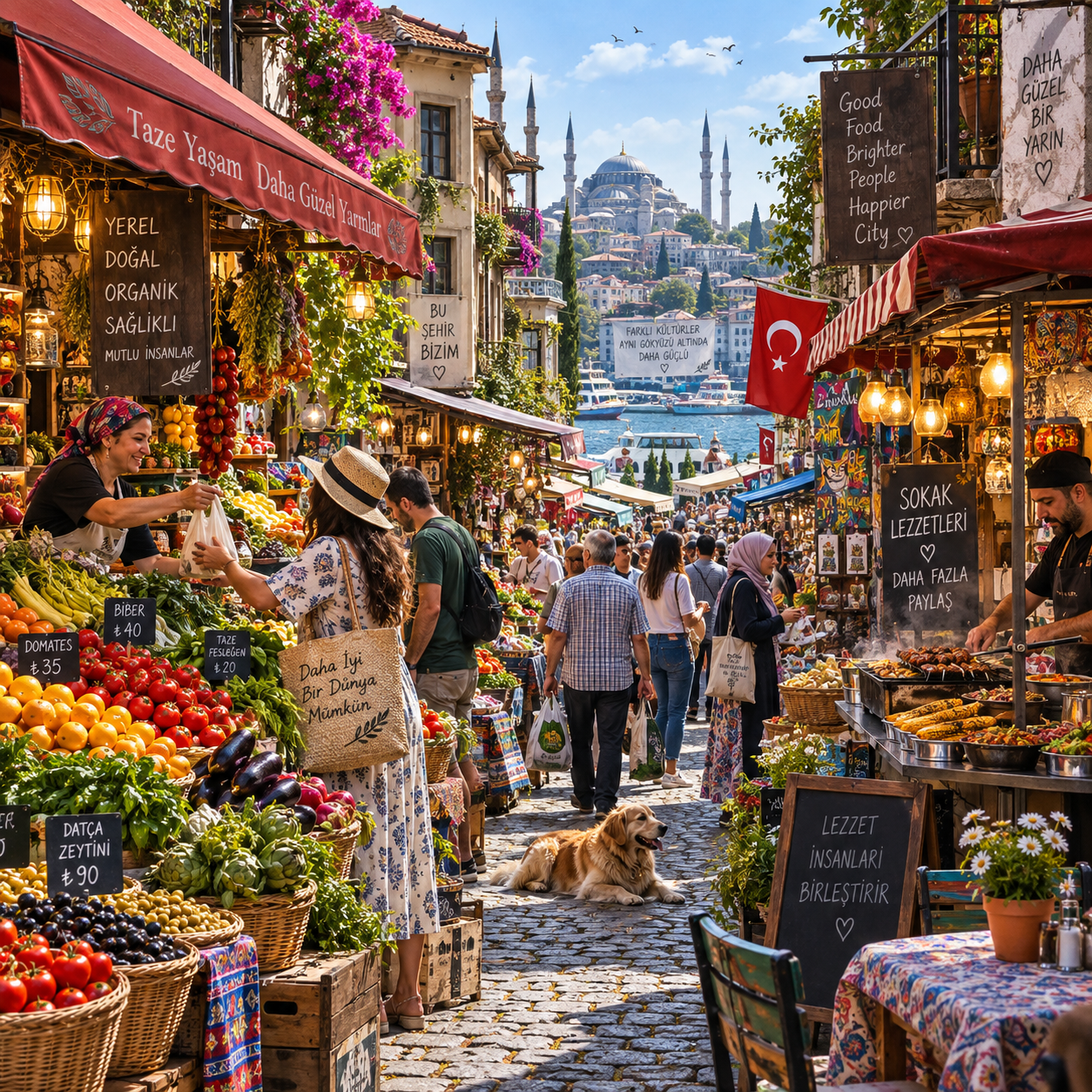
Farmers markets are well-documented, but smaller community markets — weekend flea markets, monthly craft fairs, neighborhood swap meets — are where you'll find genuine local character. These events are usually advertised only within the community, which is part of what keeps them authentic.
Historic Back Streets and Forgotten Architecture
Most cities have entire streets of architectural history that don't appear on any heritage tour. Old industrial buildings repurposed as studios, Victorian terraces tucked behind commercial strips, courtyards that open unexpectedly off busy roads. Urban discovery at its best is often just looking up and paying attention to what's been there all along.
Practical Tips for Finding Off-the-Beaten-Path Spots
Finding hidden gems is a skill, and like most skills, it gets easier with practice and the right tools.
Start with community-level resources rather than mainstream travel platforms. Local subreddits, neighborhood Facebook groups, and city-specific forums are where residents share recommendations without any commercial incentive. The signal-to-noise ratio is much better than on platforms optimized for tourism revenue.
A few specific approaches worth building into your process:
- Ask specific questions of specific people. "Where do you go on a Sunday morning?" gets better answers than "What should I do here?"
- Use mapping apps to look at satellite views of neighborhoods — you can spot courtyards, rooftop spaces, and unusual building configurations that don't show up in standard search results.
- Check local event listings from independent venues, not just the big ticketing platforms. Small galleries, community halls, and independent cinemas often host events that are both excellent and barely promoted.
- Talk to people who work in the area, not just those who visit it. A barista, a market trader, or a librarian will have a different and often more useful perspective than a tourist review.
One reliable framework: the three-degree rule. Ask a local for a recommendation. Then ask that recommended place for their recommendation. Then follow that third lead. By the third degree, you're almost always somewhere genuinely off the map.
Making the Most of Your Hidden Gem Visit
Timing and etiquette matter more at lesser-known spots than at established tourist attractions. These places weren't designed to absorb crowds, and part of what makes them valuable is exactly that.
Weekday mornings are usually the best time to visit smaller local spots — before the weekend traffic, before the lunch rush, when the people who are there are mostly regulars. You'll have more space, more time, and often more opportunity for genuine conversation.
Spend money when you visit. This sounds obvious, but it's worth saying directly: if a small café or independent shop has given you a genuinely good experience, buying something is the most meaningful way to show it. These businesses survive on local support, and your visit should contribute to that rather than just consume it.
Resist the urge to immediately post precise location details to large audiences. Insider tips stay useful when they're shared thoughtfully. There's a difference between recommending a place to a friend and broadcasting its exact coordinates to ten thousand followers. The former supports the place; the latter can overwhelm it.
Building Your Own City Guide of Underrated Attractions
The most useful city guide you'll ever have is the one you build yourself over time. Every hidden gem you find becomes a reference point for finding the next one.
Keep a running list — a notes app, a map with saved pins, a simple notebook — of places that surprised you, routes that revealed something unexpected, neighborhoods worth returning to. Over months and years, this becomes an genuinely personal resource that reflects how you move through a city rather than how a publisher thinks you should.
Sharing that knowledge is where it becomes valuable to others. Contributing to a local city guide, leaving a thoughtful review on a community platform, or simply telling someone about a place you loved — these small acts are how local culture gets documented and preserved. The best city guides aren't written by travel journalists on press trips. They're assembled, piece by piece, by people who actually live and explore there.
Urban discovery is a habit worth cultivating. Cities are not static — they change constantly, and the spots worth knowing about change with them. The person who keeps looking, keeps asking, and keeps wandering is always going to find things that the person following a fixed itinerary will miss entirely.
Frequently Asked Questions
What counts as a "hidden gem" in a city?
A hidden gem is any attraction, space, or experience that offers genuine local character without significant tourist infrastructure. It doesn't need to be completely unknown — just underrepresented relative to its actual quality. If it's not in the top results of a mainstream travel search, it probably qualifies.
How do I find off-the-beaten-path attractions without insider connections?
Community platforms are your best substitute for insider connections. Local subreddits, neighborhood groups, and city-specific forums give you access to resident knowledge without requiring personal relationships. Asking specific, contextual questions gets far better results than generic "what to do" queries.
Are hidden gem attractions suitable for families or solo travelers?
Most are suitable for both, though the experience differs. Solo travelers often find it easier to be spontaneous and to strike up conversations with locals. Families may want to research accessibility and facilities in advance, since smaller venues don't always have the infrastructure of major tourist sites.
How do I avoid accidentally over-touristing a hidden gem once I find it?
Be thoughtful about how and where you share specific location details. Recommending a place directly to people you trust is different from broadcasting it widely. When you do share publicly, focus on the type of experience rather than the precise address — that gives readers the tools to find similar places rather than sending everyone to the same spot.
What's the best time of day or week to visit lesser-known local spots?
Weekday mornings are generally ideal — lower foot traffic, more relaxed atmosphere, and better access to the people who actually run and frequent the place. Avoid Saturday afternoons, which tend to bring the highest volume of visitors to any location, hidden gem or otherwise.