
Budget-Friendly City Exploration Tips for an Affordable Trip
Exploring a city on a limited budget is easier when you plan around neighborhoods, local services, and free public spaces rather than expensive tourist packages. With a realistic travel budget, you can combine public transportation, walking routes, local markets, free attractions, and carefully chosen paid experiences without making the trip feel restrictive.
Plan Your City Budget Before You Go
A city travel budget should cover accommodation, transportation, attractions, meals, and a separate allowance for unexpected expenses. Estimating each category before departure helps you make deliberate trade-offs instead of running out of money halfway through the trip.
Start with a simple daily worksheet. List your expected costs for:
- Budget accommodation: Include taxes, cleaning fees, deposits, and the cost of reaching the property from the airport or station.
- Transportation: Estimate airport transfers, public transit, bike rentals, and occasional rides when walking is impractical.
- Food: Set separate amounts for breakfast, lunch, dinner, snacks, coffee, and bottled water if local tap water is not suitable.
- Activities: Include admission fees, free walking tours, museum discounts, city passes, and any advance reservations.
- Buffer money: Reserve roughly 10% to 15% for weather changes, lost items, price changes, or an unplanned local experience.
Research current fares, opening hours, public holidays, and discount rules through official transport operators, museums, and visitor centers. Prices vary widely between cities, and a deal that works in one destination may be poor value in another. For reliable background information, the USA.gov travel resources can help with official travel planning information for trips in the United States.
A useful test is to create two versions of your plan: a minimum-cost day and a comfortable low-cost day. If the comfortable version exceeds your limit, reduce paid attractions or dining costs before cutting essentials such as safe lodging and reliable transportation.
Choose Affordable Transportation Options
The cheapest way to move around a city is usually a combination of walking and public transportation, supported by occasional bike rentals or paid rides. The right choice depends on distance, weather, accessibility, safety, and how many neighborhoods you plan to visit.
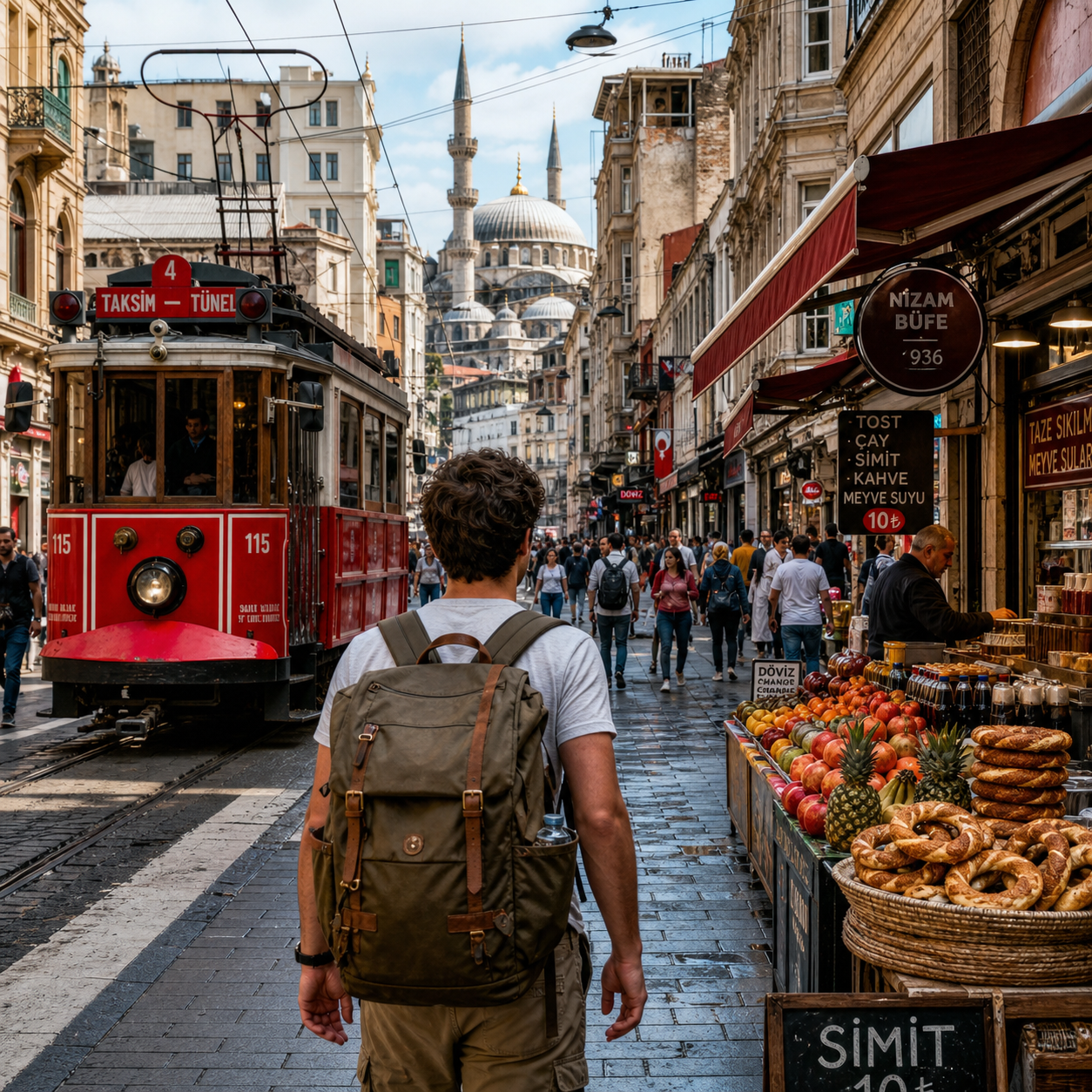
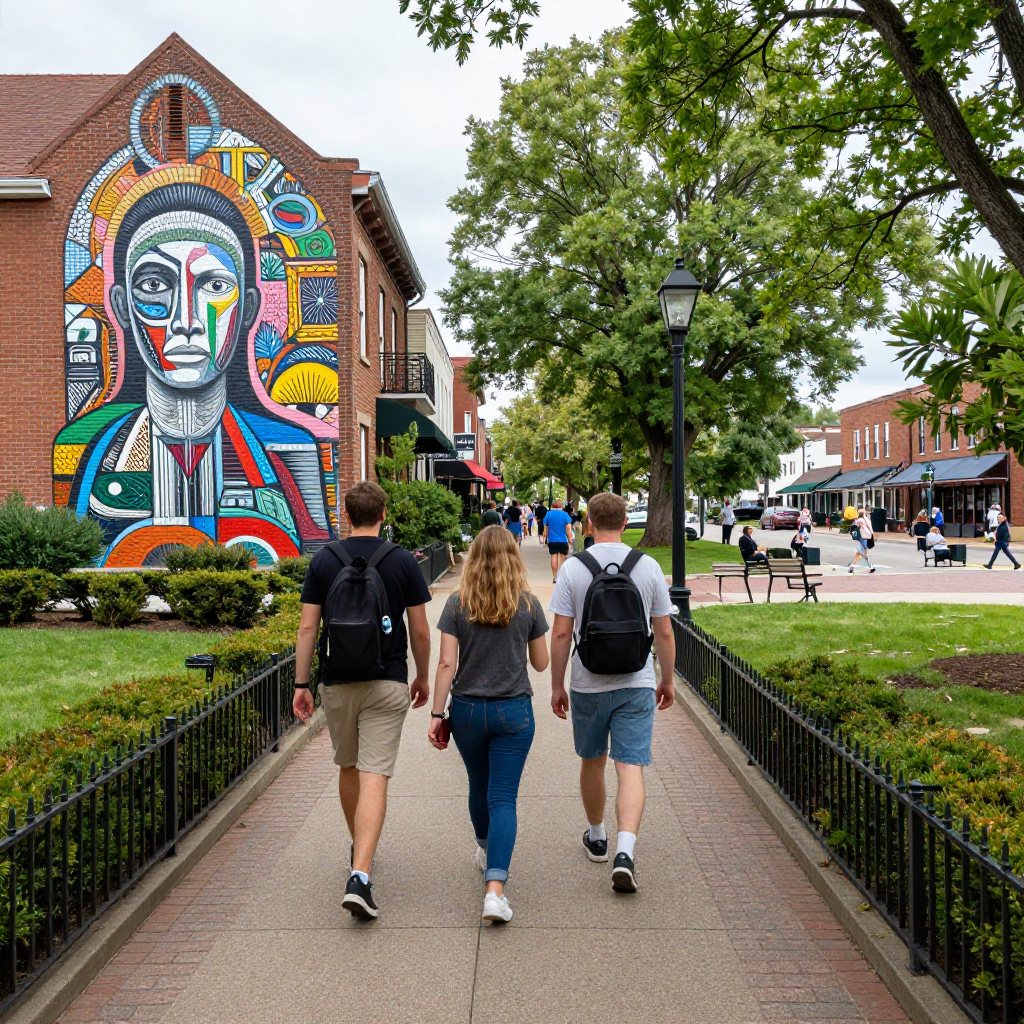
Use walking routes for compact historic centers, waterfronts, market districts, and areas with several attractions close together. A map application can help you create a route with five to eight stops, but leave time for wrong turns and short breaks. Walking saves money and often reveals independent shops, residential streets, and public art that guided transport misses.
For longer distances, compare:
- Public transportation: Metro systems, buses, trams, and commuter rail usually offer the best value for cross-city travel.
- Day or multi-day passes: These can work well when you expect several rides, but calculate the break-even point before buying.
- Bike rentals: Useful in flat, bike-friendly cities with protected lanes and affordable hourly or daily rates.
- Single fares: Often better than a pass if you are staying in one neighborhood and making only a few trips.
- Airport connections: Compare official trains and buses with taxis or app-based rides, including luggage and late-night considerations.
Think in neighborhood clusters. Visiting three nearby attractions in one afternoon is usually cheaper and less tiring than crossing the city between every stop. Check whether fares require a reloadable card, contactless payment, validated ticket, or zone-based pricing. Never rely on fare evasion or unofficial transport; a fine can erase an entire day’s savings.
Find Free and Low-Cost Things to Do
Free attractions often include public parks, plazas, viewpoints, cultural districts, markets, waterfront paths, public art, and museums with free admission periods. A low-cost city experience becomes much richer when you build your day around these places before adding paid highlights.
Check the official city tourism website, library calendar, museum pages, and visitor center listings for current events. Free walking tours can provide useful orientation and local history, although they usually operate on tips rather than being completely cost-free. Bring cash or confirm accepted payment methods, and choose guides with clear reviews and transparent meeting points.
Self-guided walking routes are another strong option. Choose a theme such as architecture, street art, historic neighborhoods, riverside views, or local food. Download a map for offline use, identify public restrooms and water stops, and avoid routes that require entering private property.
Look for free or reduced-price museum access on specific evenings, public holidays, student days, library-card programs, or community events. Restrictions may apply, including timed entry or advance reservations. A free admission day can also be crowded, so compare the value of saving money with the cost of waiting in line.
Eat Like a Local Without Overspending
The most reliable way to eat affordably while traveling is to combine local markets, street food, casual restaurants, grocery stops, and one or two planned meals. This approach lowers the average meal cost while still leaving room to try regional specialties.
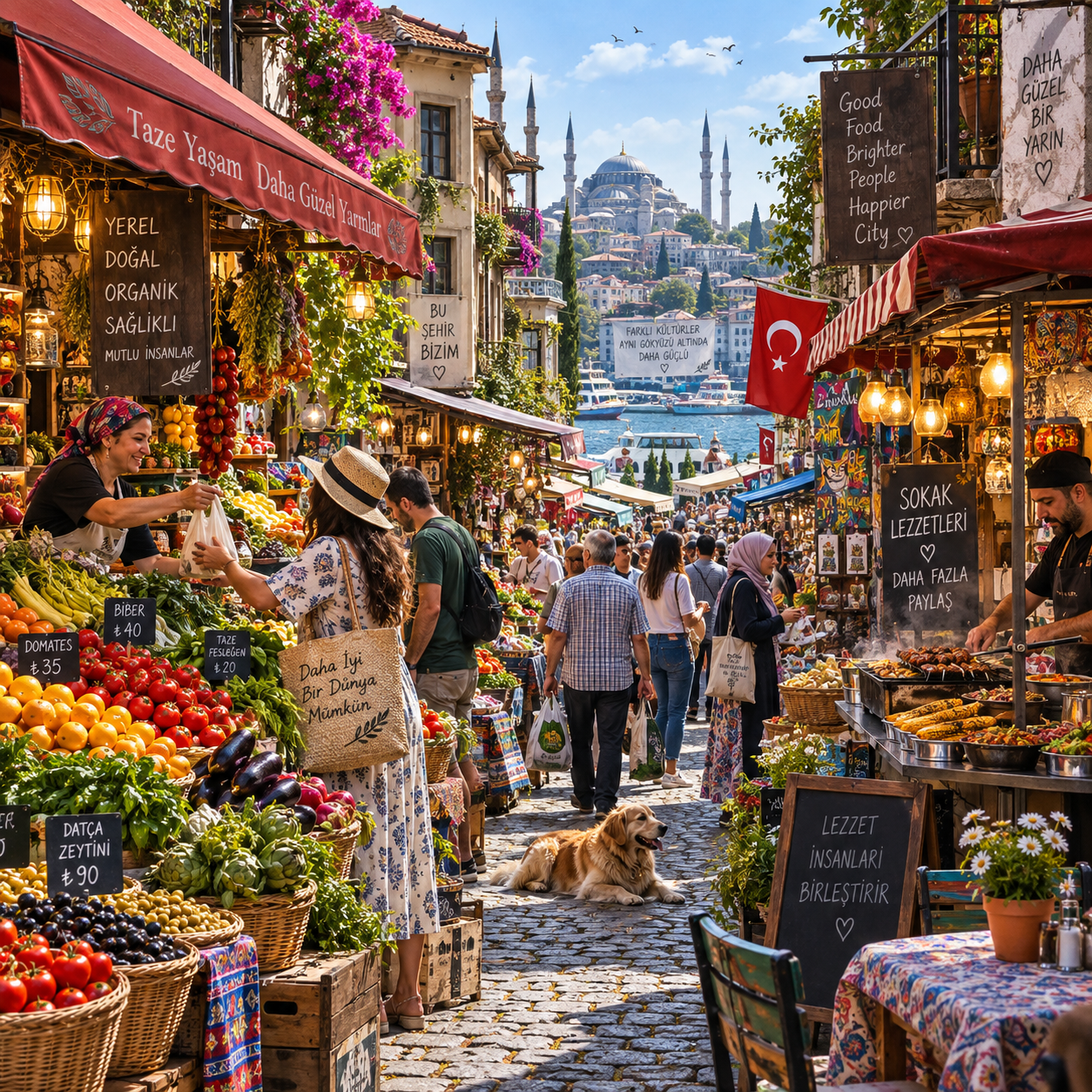
Local markets are especially useful for breakfast supplies, fruit, baked goods, prepared meals, and inexpensive snacks. Street food can offer excellent value, but choose busy stalls with good food-handling practices, visible turnover, and clean preparation areas. When in doubt, select food cooked thoroughly and served hot.
Lunch specials are often cheaper than dinner menus, particularly at neighborhood restaurants outside the main tourist core. Look for places filled with local workers, menus written clearly, and prices displayed before ordering. Avoid assuming that the restaurant with the best view offers the best value; rent and location premiums often appear on the menu.
A practical daily pattern might include:
- A grocery-store or bakery breakfast.
- A market snack or street-food lunch.
- Water and fruit purchased near your accommodation rather than at major attractions.
- One affordable sit-down dinner in a residential neighborhood.
Ask your accommodation host, a visitor center, or a local guide where residents eat. Keep dietary needs and food allergies in mind, and learn a few relevant phrases before ordering. Saving money should not mean accepting unsafe food or unclear charges.
Save on Attractions and Local Experiences
City passes are worthwhile when they include attractions you already intend to visit and reduce the combined cost after accounting for transport, reservations, and unused benefits. They are poor value when you buy one simply because it advertises a large list of attractions.
Before purchasing a pass, make a short comparison:
- Write down the standard admission price for your top three to five attractions.
- Check whether the pass includes timed entry, skip-the-line access, public transportation, or only admission.
- Confirm the pass duration and whether activation begins at purchase or first use.
- Estimate how many attractions you can realistically visit without rushing.
- Compare the pass total with individual tickets and free alternatives.
Combination tickets can be useful for attractions managed by the same organization. Advance booking may secure a lower rate or a preferred time, but it can reduce flexibility. Choose advance reservations for high-demand museums or performances; keep less popular activities open for weather changes.
Prioritize experiences using a simple filter: interest, location, and replacement cost. Pay for the attraction that matters most to you, especially if there is no comparable free alternative. Fill the rest of the day with parks, public spaces, neighborhood walks, and cultural events. This produces a more personal itinerary than trying to collect every landmark.
Use Local Services to Explore More Efficiently
Local services can reduce wasted time and prevent avoidable costs by providing accurate information about transport, attractions, luggage, neighborhoods, and current events. Visitor centers, official city information services, and reputable local businesses are often more useful than generic travel lists.
Ask a visitor center about current transit disruptions, free events, museum discount periods, safe walking routes, and neighborhood markets. Staff may also provide printed maps that make it easier to plan a compact day without constantly using mobile data.
Luggage storage can be worthwhile when it allows you to explore between checkout and a late departure. Compare the total fee with the cost of returning to your accommodation or paying for an extra night. Use established services with clear insurance terms and documented collection procedures.
Local guides can add value when you want context, language support, or access to a specialized neighborhood. A short group tour may cost less than a private guide, while a self-guided route is better for travelers who prefer maximum flexibility. Neighborhood businesses, such as independent cafés, bookstores, and community venues, can also point you toward affordable events that do not appear in major tourist marketing.
Check opening times directly before traveling across town. A closed museum or canceled event can create extra transport and dining costs, especially when your itinerary has no backup plan.
Build a Flexible, Low-Cost City Itinerary
To create a low-cost city itinerary, group nearby activities, alternate paid and free experiences, and track spending at the end of each day. Flexibility protects your budget because you can replace an expensive or unavailable activity without abandoning the whole plan.
Use a three-layer itinerary:
- Anchor: One paid attraction or special experience that gives the day a clear purpose.
- Free frame: Parks, public spaces, walking routes, markets, or free attractions surrounding the anchor.
- Flexible finish: A choice between a local event, casual meal, scenic walk, or early rest depending on energy and remaining funds.
For example, schedule a museum in the morning, walk through a nearby historic district afterward, eat a market lunch, and finish at a public viewpoint. The next day, reverse the balance with a free walking route, a park, and one modestly priced local experience.
Track actual spending in four quick categories: transport, food, admissions, and extras. If food costs more than expected, use a grocery stop the next morning. If rain cancels a walking route, replace it with a free museum period, library, covered market, or public building that you have already checked.
Keep the final day lighter. A nearby neighborhood, an inexpensive breakfast, and a final walk reduce both transport costs and the risk of missing a departure. A budget works best as a decision tool, not a punishment.
Budget-Friendly City Exploration FAQ
What is the cheapest way to get around a city?
Walking is usually cheapest for compact areas, while public transportation offers the best value for longer distances. Compare single fares with day passes and include transfer rules, zones, and airport costs before deciding.
How can I find free things to do in a city?
Search official tourism websites, visitor centers, library calendars, museum pages, public parks, cultural districts, and local event listings. Free walking tours and self-guided walking routes are useful, but check tipping expectations and reservation requirements.
Are city passes worth the cost?
City passes are worth considering when the attractions you already want to visit cost more individually than the pass. Calculate the break-even point and check transport coverage, activation rules, reservation limits, and realistic visit times.
How can I eat affordably while traveling?
Mix local markets, street food, grocery breakfasts, lunch specials, and casual neighborhood restaurants. Avoid relying on restaurants directly beside major attractions, and confirm prices, portions, and dietary information before ordering.
How do I create a city itinerary on a tight budget?
Choose one paid anchor per day, surround it with free attractions and walking routes, and group stops by neighborhood. Track daily spending, keep a small emergency buffer, and prepare indoor or low-cost alternatives for bad weather.